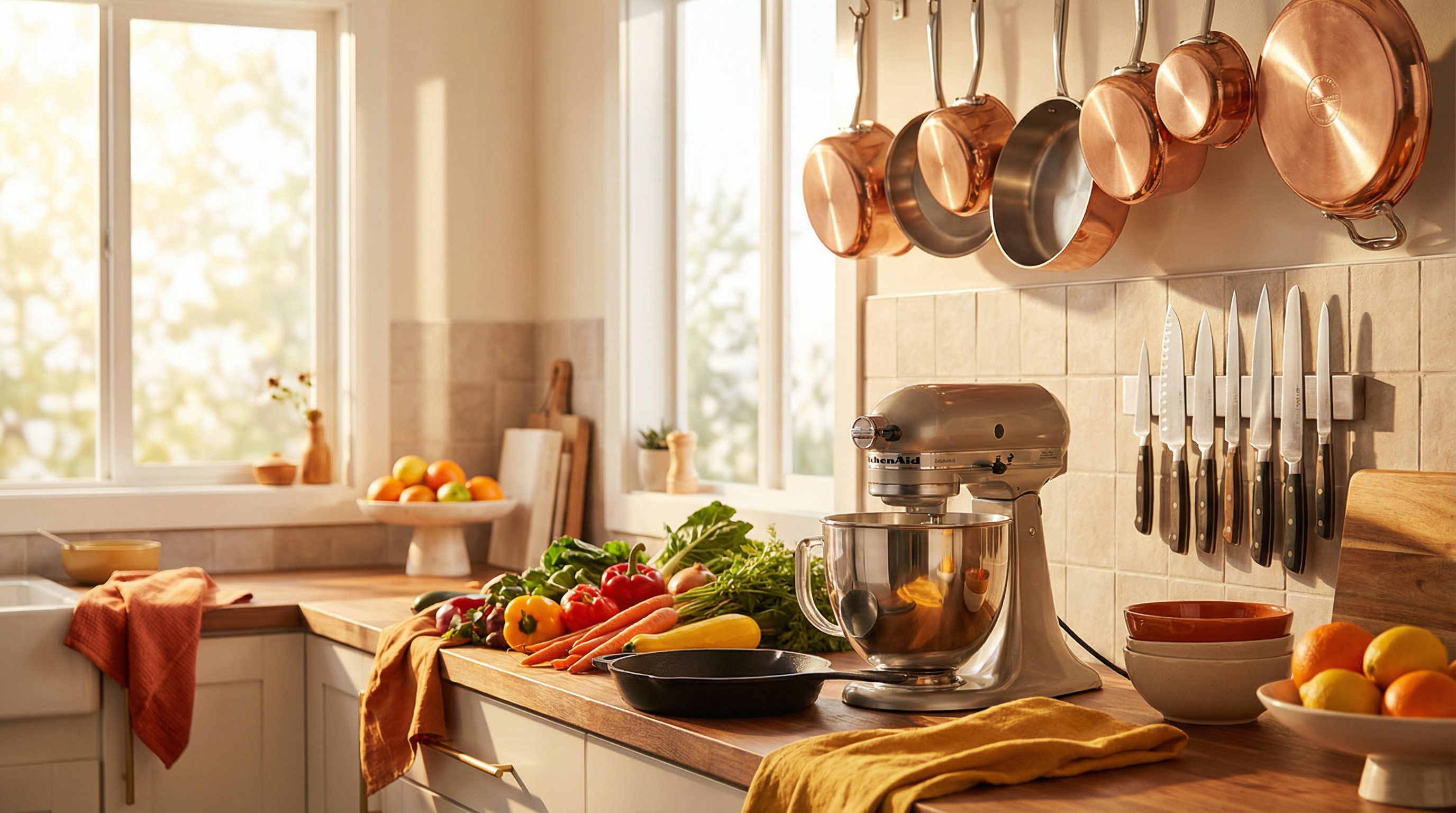
Essential Kitchen Tools Checklist: Everything You Actually Need
Essential Kitchen Tools Checklist: Everything You Actually Need
Building a functional kitchen from scratch feels overwhelming when faced with endless options and conflicting advice. Kitchen stores stock hundreds of specialized gadgets, each claiming to be "essential," while cooking shows feature tools you've never heard of. Meanwhile, your budget has limits, and your storage space even more so. After years of testing equipment and teaching cooking fundamentals, I've identified the tools that genuinely matter—the items that earn their space through consistent use rather than collecting dust in drawers.
This comprehensive checklist organizes kitchen tools into three tiers: absolute essentials you need immediately, important additions that significantly improve your cooking, and nice-to-have items that solve specific problems. This structure helps you prioritize purchases based on your budget and cooking frequency while avoiding the common trap of buying too much too soon.
Tier 1: The Absolute Essentials
These fifteen items form the foundation of every functional kitchen. Without them, basic cooking becomes unnecessarily difficult or impossible. If you're starting from zero, focus your entire initial budget on acquiring quality versions of these tools before considering anything else.
Chef's Knife (8-inch)
A quality chef's knife serves as your primary cutting tool, handling 90 percent of kitchen prep work. The 8-inch blade length provides enough cutting surface for large vegetables while remaining maneuverable for detailed work. Invest $40 to $100 in a reputable brand like Victorinox, Wüsthof, or Global. The knife should feel balanced in your hand with the weight distributed evenly between blade and handle. Avoid knife sets at this stage—one excellent chef's knife outperforms five mediocre ones.
Paring Knife (3 to 4-inch)
This small knife handles detail work like peeling apples, deveining shrimp, and trimming vegetables. The short blade offers precise control for tasks where a chef's knife feels unwieldy. A decent paring knife costs $10 to $30 and lasts years with basic care. Unlike chef's knives where quality dramatically affects performance, even budget paring knives work adequately for most home cooks.
Cutting Board (Large)
A substantial cutting board measuring at least 12 x 18 inches provides adequate workspace for meal preparation. Wooden boards offer natural antimicrobial properties and knife-friendly surfaces, while plastic boards cost less and tolerate dishwasher cleaning. Avoid glass or marble boards entirely—they dull knives rapidly and create dangerous slipping. Many experienced cooks prefer owning two boards: one for produce and bread, another for raw meat to prevent cross-contamination.
Wooden Spoon
This humble tool stirs, scrapes, and tastes without scratching cookware or conducting heat. Unlike metal spoons that get too hot to handle, wooden spoons remain comfortable during extended cooking sessions. A basic wooden spoon costs $3 to $8 and lasts indefinitely. Buy two or three in different sizes for versatility.
Silicone Spatula
Heat-resistant silicone spatulas scrape bowls clean, fold ingredients gently, and stir hot mixtures without melting. The flexibility allows you to retrieve every bit of batter from mixing bowls, reducing waste. Choose one-piece construction where the spatula head and handle form a continuous unit—two-piece designs trap food and bacteria in the seam. Expect to spend $8 to $15 for a quality silicone spatula that withstands temperatures up to 500°F.
Metal Spatula (Turner)
A thin, flexible metal spatula flips eggs, burgers, and pancakes with ease. The beveled edge slides under delicate foods without tearing, while the slotted design allows grease to drain. Avoid thick, rigid spatulas that can't maneuver under food properly. A good metal spatula costs $10 to $20 and lasts decades.
Tongs (9 to 12-inch)
Tongs function as an extension of your hand, allowing you to flip, turn, and serve hot food safely. The 9 to 12-inch length provides adequate reach without being unwieldy. Locking mechanisms keep tongs closed for compact storage. Silicone-tipped tongs protect non-stick cookware, while all-metal versions withstand higher heat. Budget $10 to $20 for a quality pair.
Measuring Cups (Dry and Liquid)
Accurate measurement proves essential for baking and following recipes precisely. Dry measuring cups (typically a nested set of 1/4, 1/3, 1/2, and 1 cup) allow you to level ingredients for consistent results. Liquid measuring cups with pour spouts and measurement markings handle liquids without spilling. A complete measuring cup set costs $15 to $30.
Measuring Spoons
These small tools measure ingredients in tablespoon and teaspoon increments, crucial for seasonings, spices, and baking ingredients. A basic set includes 1/4 teaspoon, 1/2 teaspoon, 1 teaspoon, and 1 tablespoon. Narrow, oval-shaped spoons fit into spice jars more easily than round ones. Expect to pay $8 to $15 for a durable metal set.
Mixing Bowls (Set of 3)
Nested mixing bowls in small, medium, and large sizes handle everything from whisking eggs to tossing salads. Stainless steel bowls prove most versatile—they're lightweight, durable, unbreakable, and can double as double-boiler tops. Glass bowls allow you to see contents but weigh more and break if dropped. A quality three-piece set costs $20 to $40.
Colander
This perforated bowl drains pasta, washes vegetables, and rinses canned beans. A 3 to 5-quart capacity handles most home cooking needs. Metal colanders last longer than plastic and can tolerate boiling water for blanching vegetables. Stable footed bases prevent tipping when full. Budget $15 to $30 for a sturdy colander.
Can Opener
Despite the simplicity, a quality can opener makes a noticeable difference in daily use. Manual models with large, comfortable turning knobs reduce hand fatigue, while smooth-edge designs eliminate sharp can lids. Avoid ultra-cheap can openers that break within months. A reliable manual can opener costs $10 to $20.
Vegetable Peeler
A sharp, comfortable peeler removes vegetable skins efficiently without excessive waste. Y-shaped peelers work well for most people, though some prefer traditional straight peelers. The blade should swivel to follow contours naturally. Replace peelers every year or two as blades dull—they're inexpensive enough that sharpening doesn't make economic sense. Expect to pay $8 to $15.
Kitchen Towels (Set of 4-6)
Absorbent cotton towels dry dishes, handle hot pots, and clean spills. Buy at least four so you always have clean towels available. Avoid decorative towels that prioritize appearance over function—look for 100 percent cotton construction without synthetic blends that reduce absorbency. A set of quality kitchen towels costs $20 to $40.
Oven Mitts or Pot Holders
Heat protection proves non-negotiable when working with hot cookware and bakeware. Silicone oven mitts provide excellent heat resistance and grip, while traditional quilted mitts offer more dexterity. Ensure whatever you choose can withstand at least 400°F and covers your forearms adequately. Budget $15 to $30 for a pair of quality oven mitts.
Tier 2: Important Additions
Once you've acquired the absolute essentials, these tools significantly improve your cooking efficiency and expand your capabilities. Add them gradually based on your cooking frequency and the specific tasks you perform most often.
Whisk
A balloon whisk incorporates air into eggs, emulsifies dressings, and smooths sauces. The wire loops break up lumps more effectively than spoons or forks. A 10 to 12-inch whisk handles most tasks comfortably. Stainless steel construction ensures durability and dishwasher safety. Expect to spend $10 to $20.
Box Grater
Four-sided box graters offer multiple grating surfaces for cheese, vegetables, and citrus zest. The stable box design sits securely on cutting boards without requiring a hand to stabilize it. Look for models with comfortable handles and non-slip bases. A quality box grater costs $15 to $30 and lasts indefinitely.
Fine-Mesh Strainer
This tool drains small pasta like orzo, rinses quinoa, and sifts flour for baking. The fine mesh catches tiny particles that escape colanders. A 6 to 8-inch diameter handles most tasks. Choose stainless steel construction with a sturdy frame. Budget $15 to $25.
Meat Thermometer
Accurate temperature monitoring ensures food safety and optimal doneness. Instant-read digital thermometers provide readings in seconds, eliminating guesswork for meats, bread, and candy. The investment ($20 to $40) prevents both undercooked chicken and overcooked steaks, paying for itself through improved results.
Kitchen Shears
Heavy-duty kitchen scissors cut chicken, trim herbs, open packages, and perform countless other tasks. Unlike regular scissors, kitchen shears feature stronger blades and often include a bottle opener and jar lid gripper. Models that separate into two pieces clean more thoroughly. Expect to pay $15 to $30 for quality shears.
Ladle
A ladle serves soups, stews, and sauces with less mess than pouring. The deep bowl holds adequate liquid, while the long handle keeps your hands away from heat. A 6 to 8-ounce capacity suits most needs. Stainless steel construction ensures durability. Budget $10 to $20.
Slotted Spoon
This perforated spoon lifts solid foods from liquids, drains poached eggs, and serves vegetables while leaving excess liquid behind. The slots allow liquid to drain quickly without requiring a separate straining step. A quality slotted spoon costs $10 to $18.
Potato Masher
Beyond mashing potatoes, this tool crushes beans for refried beans, mashes avocados for guacamole, and breaks up ground meat while cooking. The simple design proves more effective than using forks or spoons. Wire mashers create smoother textures, while plate mashers leave some texture. Expect to spend $10 to $20.
Rolling Pin
If you bake even occasionally, a rolling pin becomes essential for pie crusts, cookies, and pastries. French-style tapered pins offer excellent control, while traditional handled pins provide leverage for stiff doughs. Wooden pins require more maintenance but feel better to use than marble or silicone alternatives. Budget $15 to $40 depending on material.
Pastry Brush
Silicone brushes apply egg wash, butter, and glazes without shedding bristles into food. The heat resistance allows you to brush hot foods directly from the oven. Unlike natural bristle brushes that harbor bacteria, silicone brushes clean easily in the dishwasher. A quality pastry brush costs $8 to $15.
Salad Spinner
This tool dries washed greens efficiently, preventing watery salads and helping dressings adhere properly. The spinning mechanism removes water far more effectively than patting with towels. Salad spinners also work well for drying herbs. Expect to pay $20 to $35 for a model with a smooth spinning mechanism and stable base.
Kitchen Timer
Accurate timing prevents overcooked and undercooked food. While phones work in a pinch, dedicated kitchen timers resist moisture and heat better. Digital timers offer precise countdown displays, while mechanical timers require no batteries. Budget $10 to $25.
Tier 3: Nice-to-Have Additions
These specialized tools solve specific problems or streamline particular tasks. Add them only after you've acquired everything in Tiers 1 and 2, and only if you regularly perform the tasks they're designed for.
Garlic Press
If you cook with garlic frequently, a press minces cloves quickly without requiring knife skills or leaving garlic smell on your hands. However, many cooks prefer the texture and flavor of knife-minced garlic, making this tool optional. A quality garlic press costs $15 to $30.
Citrus Juicer
Fresh citrus juice elevates countless dishes, and a simple handheld juicer extracts juice efficiently while catching seeds. Electric juicers process large quantities but require more storage space and cleaning effort. For most home cooks, a $10 to $20 manual juicer suffices.
Bench Scraper
This flat metal blade scrapes dough from work surfaces, portions dough into equal pieces, and transfers chopped vegetables from cutting board to pot. Bakers find bench scrapers indispensable, while cooks who rarely work with dough can skip them. Expect to pay $10 to $20.
Kitchen Scale
Digital scales measure ingredients by weight, providing more accuracy than volume measurements, especially for baking. If you follow recipes from European sources or bake frequently, a scale becomes essential. Otherwise, measuring cups work adequately. Budget $20 to $40 for a scale with a tare function.
Mortar and Pestle
Grinding whole spices releases more flavor than pre-ground alternatives, and a mortar and pestle handles this task along with making pastes and crushing garlic. However, this requires commitment to grinding your own spices regularly. A quality mortar and pestle costs $20 to $50 depending on size and material.
Microplane Zester
This razor-sharp grater creates fine shreds of citrus zest, hard cheese, ginger, and garlic. The results differ noticeably from box grater output, with finer, more delicate shreds. If you frequently use citrus zest or fresh ginger, the $15 to $20 investment makes sense.
Basting Brush
Similar to a pastry brush but often larger, basting brushes apply marinades and sauces to grilled meats. If you grill regularly, this specialized brush proves useful. Otherwise, a standard pastry brush handles occasional basting needs. Budget $10 to $18.
Building Your Collection Strategically
Rather than buying everything at once, build your kitchen tool collection gradually based on actual cooking patterns. Start with every item in Tier 1, ensuring you have quality versions of these absolute essentials. Use them for several months, identifying which tasks you perform most frequently and which feel awkward or inefficient with your current tools.
Next, add Tier 2 items that address your specific cooking needs. If you make salads daily, prioritize the salad spinner. If you bake weekly, add the whisk and rolling pin first. This personalized approach ensures your money goes toward tools you'll actually use rather than items that sound useful but sit unused.
Approach Tier 3 items with skepticism. Many specialized tools promise to revolutionize specific tasks but end up cluttering drawers. Before buying any Tier 3 item, ask yourself: "Have I wished for this tool at least five times while cooking?" If not, you probably don't need it. The best kitchen tool collections grow organically through use rather than through aspirational purchasing.
Quality Versus Budget Considerations
Not every tool deserves premium investment. Some items perform adequately at budget prices, while others prove frustrating unless you spend more. Understanding where quality matters helps you allocate your budget effectively.
Invest in knives—the difference between a $20 chef's knife and an $80 one affects your cooking daily. Sharp, well-balanced knives make prep work faster, safer, and more enjoyable. This investment pays dividends through years of use.
Save on simple tools like wooden spoons, measuring cups, and vegetable peelers. These items perform their basic functions adequately at budget prices. The premium versions might look nicer or last slightly longer, but the functional difference rarely justifies the cost.
Consider mid-range for frequently used items like spatulas, tongs, and mixing bowls. Ultra-budget versions often fail quickly or perform poorly, while premium versions offer minimal practical advantages. The mid-range sweet spot ($10 to $30 per item) provides reliable performance without unnecessary expense.
Maintenance and Longevity
Proper care extends tool lifespan dramatically. Hand wash knives rather than putting them in the dishwasher, where they bang against other items and dull quickly. Dry wooden tools thoroughly after washing to prevent cracking and warping. Store knives in a block or on a magnetic strip rather than loose in drawers where blades dull from contact with other utensils.
Replace tools when they no longer perform adequately rather than struggling with degraded equipment. Dull vegetable peelers, bent spatulas, and warped cutting boards make cooking unnecessarily difficult. These items cost little enough that replacement makes more sense than frustration.
The Reality of Kitchen Tool Needs
Despite marketing claims, most home cooks need far fewer tools than kitchen stores suggest. The essentials listed in Tier 1 handle virtually all basic cooking tasks. Everything beyond that offers convenience or specialization rather than necessity. A well-equipped kitchen isn't one with every possible tool—it's one where every tool sees regular use and performs its intended function well.
Focus on building a collection of quality essentials rather than accumulating specialized gadgets. Master the fundamentals with basic tools before adding complexity. This approach creates a functional, organized kitchen that supports your cooking journey rather than overwhelming it with clutter and choices.