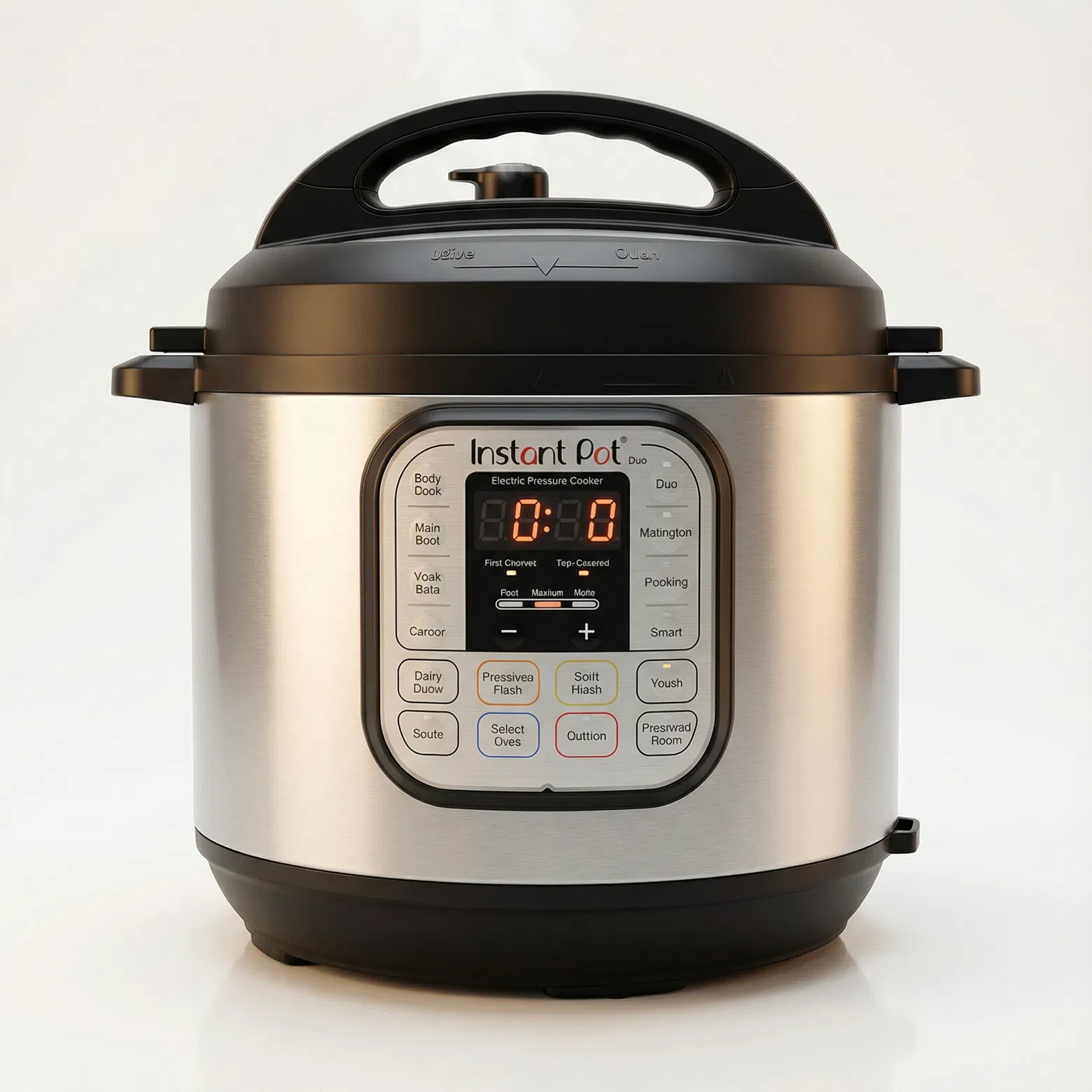
Instant Pot
Instant Pot Duo 7-in-1 Electric Pressure Cooker, 6 Quart
The multi-cooker that started a revolution—pressure cook, slow cook, sauté, steam, and more in one countertop appliance
Pros
- •Dramatically reduces cooking time for tough cuts and dried beans
- •Seven functions replace multiple appliances
- •Set-it-and-forget-it convenience for busy schedules
- •Excellent value at under $100
Cons
- •Learning curve for pressure cooking times and techniques
- •Takes 10-15 minutes to come to pressure before cooking begins
- •Sealing ring retains food odors over time
Get Price Drop Alerts
Be the first to know when this product goes on sale. Current price: $99.95
We'll only email you about price drops for this product. No spam.
Instant Pot Duo Review: Does This Cult-Favorite Multi-Cooker Live Up to the Hype?
Our Verdict: The Instant Pot Duo is a genuinely useful kitchen appliance that excels at pressure cooking and offers solid performance in its other modes. While it won't replace all your cooking methods, it dramatically simplifies meal prep for busy households and delivers excellent value at its price point.
Few kitchen appliances have achieved the cult status of the Instant Pot. With millions of units sold and dedicated Facebook groups boasting hundreds of thousands of members, this electric pressure cooker has become a cultural phenomenon. But does the Instant Pot Duo actually deserve its fervent following, or is it just clever marketing and social media hype?
We've spent eight weeks cooking with the Instant Pot Duo 6-quart model, preparing everything from weeknight chicken dinners to dried beans, risotto, yogurt, and even cheesecake. We've tested it against traditional cooking methods and evaluated whether it truly simplifies meal preparation or just adds another gadget to your already-crowded countertop.
The Instant Pot Duo combines seven cooking functions in one appliance: pressure cooker, slow cooker, rice cooker, steamer, sauté pan, yogurt maker, and food warmer. This 6-quart model is the sweet spot for most households, large enough to cook for a family but not so massive that it dominates your counter space. At under $100, it's positioned as an affordable entry into the world of electric pressure cooking.
What Makes the Instant Pot Duo Special?
Pressure Cooking That Actually Saves Time
The primary function—and the reason most people buy an Instant Pot—is pressure cooking. This cooking method uses steam pressure to raise the boiling point of water, allowing food to cook at higher temperatures and therefore much faster. The results are genuinely impressive. We cooked a whole chicken in 25 minutes, dried beans in 30 minutes without soaking, and fall-apart pot roast in 45 minutes. These same dishes would take 60-90 minutes or more using conventional methods.
The time savings are real, though it's important to understand that the cooking time doesn't include the time needed to build pressure (typically 10-15 minutes) or release pressure afterward (5-20 minutes depending on method). Still, even accounting for these factors, you're looking at significant time reductions, especially for foods that traditionally require long cooking times.
Multiple Functions in One Appliance
The seven-in-one functionality means the Instant Pot can legitimately replace several appliances. The slow cooker function works well for traditional slow cooker recipes, though it runs slightly hotter than dedicated slow cookers. The rice cooker function produces consistently good rice with minimal effort. The sauté function allows you to brown meat or soften vegetables directly in the pot before pressure cooking, eliminating the need for a separate pan.
The yogurt maker function is surprisingly capable, producing smooth, tangy yogurt with minimal hands-on time. The steamer function works well for vegetables, though it's not dramatically different from using a steamer basket in a regular pot. The warming function keeps food at a safe temperature for hours, useful for potlucks or when family members eat at different times.
Safety Features That Build Confidence
Modern electric pressure cookers like the Instant Pot are dramatically safer than the stovetop pressure cookers your grandmother used. The Duo includes multiple safety mechanisms: a lid that locks during pressurization, automatic pressure control, temperature monitoring, and safety valves that prevent over-pressurization. In eight weeks of regular use, we never experienced any safety concerns or pressure-related incidents.
The lid won't open while the pot is pressurized, and the unit won't build pressure if the lid isn't properly sealed. These safeguards make pressure cooking accessible even for those intimidated by the concept. The worst-case scenario is typically a failed seal that prevents pressure from building, not a dangerous pressure release.
Programmable Cooking for Hands-Off Convenience
The Instant Pot allows you to set cooking times and walk away, making it ideal for busy schedules. You can start dinner in the morning, and the Instant Pot will automatically switch to warming mode when cooking completes, keeping food hot and safe until you're ready to eat. This set-it-and-forget-it convenience is genuinely valuable for working parents or anyone juggling multiple responsibilities.
The delay start function allows you to load ingredients and program the pot to start cooking hours later, though we're cautious about using this feature with perishable ingredients that shouldn't sit at room temperature for extended periods.
Stainless Steel Inner Pot and Durability
The included stainless steel inner pot is durable, dishwasher safe, and doesn't retain odors or stains like some non-stick alternatives. It's also oven-safe, allowing you to transfer it directly from the Instant Pot to the oven for browning or finishing if desired. The pot shows minimal wear even after two months of regular use, and replacement pots are readily available if needed.
The exterior housing is sturdy and well-constructed. The control panel is intuitive once you understand the basic functions, and the display is clear and easy to read. Build quality feels solid for the price point, with no loose parts or concerning flex in the construction.
Key Features and Benefits
Transforms Tough Cuts into Tender Meals
The pressure cooking function excels at breaking down tough, collagen-rich cuts of meat. We cooked beef chuck roast, pork shoulder, and chicken thighs to fall-apart tenderness in a fraction of the time required for braising or slow cooking. The high-pressure environment breaks down connective tissue efficiently, producing results similar to hours of slow cooking in 45-60 minutes of pressure cooking.
This makes budget-friendly cuts of meat practical for weeknight dinners. A $15 pork shoulder becomes pulled pork in about an hour of total time, compared to 8-10 hours in a slow cooker or 4-5 hours of oven braising.
Dried Beans Without Soaking or Endless Simmering
Cooking dried beans in the Instant Pot is genuinely transformative. Black beans, pinto beans, and chickpeas cook in 25-35 minutes without any soaking, emerging creamy and tender with intact skins. This makes dried beans practical for weeknight cooking, eliminating the need to plan ahead or rely on canned alternatives.
The texture of pressure-cooked beans is superior to canned beans, with better flavor and firmer texture. The cost savings are substantial too—dried beans cost a fraction of canned beans and produce no waste beyond the packaging.
One-Pot Meals Minimize Cleanup
The sauté function allows you to build flavors directly in the Instant Pot before pressure cooking. Brown meat, soften aromatics, and deglaze the pot, then add remaining ingredients and pressure cook—all in one vessel. This one-pot approach dramatically reduces cleanup compared to traditional cooking methods that require multiple pans.
We regularly made complete meals—protein, vegetables, and grains—in the Instant Pot with only the inner pot and lid to clean afterward. For busy weeknights, this convenience factor is genuinely valuable.
Consistent Rice and Grains Every Time
The rice cooker function produces consistently good results with minimal effort. Add rice and water in the correct ratio, press the rice button, and walk away. The Instant Pot automatically adjusts cooking time and switches to warming mode when done. We tested white rice, brown rice, and various grains, all with good results.
While not dramatically better than a rice cooker or stovetop method, the consistency and hands-off convenience make it worthwhile, especially when cooking rice as part of a larger meal.
Energy Efficiency Compared to Oven Cooking
The Instant Pot uses significantly less energy than heating a full-size oven, particularly for long-cooking dishes. This makes it more economical for summer cooking when you don't want to heat up your kitchen, and more environmentally friendly year-round. The insulated construction retains heat efficiently, reducing overall energy consumption.
How to Use the Instant Pot Duo for Best Results
Initial Setup and First Use
Remove all packaging materials and wash the inner pot, lid, and sealing ring with warm soapy water before first use. Perform a water test: add 3 cups of water to the inner pot, seal the lid with the valve in the sealing position, and run the pressure cook function for 5 minutes. This familiarizes you with the pressurization and release process without risking food.
After the water test, allow natural pressure release (wait until the float valve drops on its own), then carefully open the lid. This initial run also helps clean any manufacturing residues and allows you to verify that all components are working correctly.
Understanding Pressure Release Methods
There are two pressure release methods, and choosing the right one matters. Natural pressure release (NPR) means you turn off the heat and wait for pressure to dissipate naturally, which takes 10-20 minutes. This method is gentler and better for foods that foam (beans, grains) or delicate proteins that can toughen with rapid pressure changes.
Quick release (QR) means you manually turn the valve to venting, releasing steam rapidly. This is appropriate for vegetables, seafood, or when you need to stop cooking immediately. The steam release is dramatic and hot—keep your hands and face away from the valve during quick release.
Many recipes use a combination: natural release for 10 minutes, then quick release for any remaining pressure. This balances the benefits of both methods.
Liquid Requirements and the Burn Warning
The Instant Pot requires liquid to generate steam and build pressure. Most recipes need at least 1 cup of liquid, though the exact amount varies. Too little liquid triggers the "burn" warning, where the pot detects overheating at the bottom and shuts off to prevent damage.
We learned this the hard way with a thick tomato sauce recipe. The solution is ensuring adequate thin liquid (water, broth, wine) and placing thicker ingredients on top rather than on the bottom where they can scorch. Deglazing the pot thoroughly after sautéing also prevents burn warnings.
Adjusting Traditional Recipes for Pressure Cooking
Converting traditional recipes to pressure cooking requires some adjustment. As a general rule, pressure cooking time is about one-third of conventional cooking time. Reduce liquid by about 25% since there's minimal evaporation during pressure cooking. Cut vegetables larger than you normally would, as they cook very quickly under pressure.
Start conservative with timing—you can always cook longer if needed, but you can't undo overcooked food. Use online conversion charts and Instant Pot community resources when adapting favorite recipes.
Common Mistakes to Avoid
Don't overfill the pot—never exceed the two-thirds full line, or one-half full for foods that expand (beans, grains). Overfilling can clog the pressure valve and prevent proper pressurization. Always ensure the sealing ring is properly seated before cooking; a displaced ring prevents pressure from building. Don't forget to switch the valve from venting to sealing—this is an easy mistake that prevents pressurization. Finally, be patient during natural pressure release. Opening the valve too early can cause food to spatter or foam through the valve.
Pros and Cons
What We Love About the Instant Pot Duo
The time savings for traditionally long-cooking foods are genuinely significant. Dried beans, tough cuts of meat, and whole grains cook in a fraction of the usual time, making them practical for weeknight meals. The convenience factor is substantial—load ingredients, set the timer, and walk away without worrying about monitoring or stirring. The versatility is real; while we primarily use it for pressure cooking, having slow cooker, rice cooker, and yogurt maker functions in one appliance reduces kitchen clutter. The safety features provide confidence even for those intimidated by pressure cooking. The value is exceptional at under $100—you're getting multiple appliances worth of functionality for the price of a decent slow cooker. The stainless steel inner pot is durable and doesn't retain odors or stains. The large online community provides endless recipes and troubleshooting support, making it easy to find guidance for any dish you want to attempt.
What Could Be Better
The learning curve is real—pressure cooking requires understanding timing, liquid requirements, and release methods that aren't intuitive for beginners. Expect some trial and error before achieving consistent results. The time to pressure is often overlooked in recipes; that 20-minute recipe actually takes 35-40 minutes when you include pressurization and release time. While still faster than conventional methods, it's not as dramatic as the cooking time alone suggests. The sealing ring absorbs and retains food odors over time, particularly from pungent dishes like curry or chili. Many users buy multiple rings to separate savory and sweet cooking. The slow cooker function runs hotter than dedicated slow cookers, requiring recipe adjustments and potentially leading to overcooked food if you use traditional slow cooker timings. The sauté function, while useful, doesn't brown as effectively as a proper skillet due to the pot's shape and heat distribution. The 6-quart size, while appropriate for most families, can feel limiting when cooking for larger gatherings or when you want to batch cook for meal prep.
Technical Specifications
- Capacity: 6 quarts (serves 4-6 people)
- Functions: Pressure cooker, slow cooker, rice cooker, steamer, sauté, yogurt maker, warmer
- Pressure Settings: High and low pressure
- Power: 1000 watts
- Dimensions: 13" x 12.2" x 12.5"
- Weight: 11.8 lbs
- Inner Pot Material: Stainless steel (dishwasher safe)
- Pressure Cooking Time Range: 0-240 minutes
- Slow Cooking Time Range: 0.5-20 hours
- Keep Warm Time: Up to 99 hours 50 minutes
- Delay Start: Up to 24 hours
- Safety Features: 10+ safety mechanisms including lid lock, pressure control, temperature monitoring
- Warranty: 1 year
- Certifications: UL and ULC certified
- Accessories Included: Stainless steel inner pot, lid with sealing ring, steam rack, rice paddle, soup spoon, measuring cup, recipe booklet
What Customers Are Saying
With over 125,000 Amazon reviews and a 4.7-star average, the Instant Pot Duo is one of the most-reviewed kitchen appliances on the platform. The sheer volume of feedback provides reliable insight into long-term performance and common experiences.
The Praise
Customers consistently rave about the time savings and convenience, with many noting that the Instant Pot has fundamentally changed how they approach meal planning. The ability to cook frozen meat without thawing receives frequent praise—throw frozen chicken breasts in the pot and have dinner ready in under an hour. Many reviewers mention that the Instant Pot helped them start cooking at home more frequently, saving money and eating healthier. The dried beans functionality is a recurring theme, with customers thrilled to ditch canned beans. Parents particularly appreciate the set-it-and-forget-it nature, allowing them to start dinner while managing other responsibilities. The value proposition resonates strongly—reviewers consistently note that the Instant Pot delivers far more functionality than its modest price suggests. Many users report owning their Instant Pot for 3-5+ years with consistent performance and no significant issues.
The Criticism
The learning curve frustrates some new users, particularly those unfamiliar with pressure cooking concepts. Several reviewers report initial failures with recipes not turning out as expected, though most note that results improved with experience. The sealing ring odor retention is a common complaint, with many users purchasing additional rings to separate savory and sweet cooking. Some reviewers find the pressurization and release time disappointing after seeing recipe titles promising "20-minute" meals that actually take 45 minutes total. The slow cooker function receives mixed reviews, with some users noting it runs hotter than their old slow cookers and requires timing adjustments. A subset of reviewers finds the size limiting, wishing they'd purchased the 8-quart model for larger families or batch cooking. Some users report the "burn" warning appearing frequently, though this typically indicates user error with liquid ratios or food placement rather than a defect. Finally, a small percentage of reviewers report unit failures after 1-2 years of use, though Instant Pot's customer service generally receives positive marks for handling warranty issues.
Professional Opinions
America's Test Kitchen tested multiple electric pressure cookers and ranked the Instant Pot among the top performers, praising its consistent pressure maintenance and intuitive controls. Serious Eats has published extensive guides to pressure cooking with the Instant Pot, validating its performance for various cooking techniques. Professional recipe developers note that the Instant Pot's popularity has created a robust ecosystem of tested recipes, making it easier for home cooks to achieve reliable results. The consensus among cooking professionals is that while the Instant Pot isn't necessarily superior to other quality electric pressure cookers, its combination of performance, price, and community support makes it the default recommendation for most home cooks.
Comparing the Instant Pot Duo to Alternatives
vs. Instant Pot Duo Plus
The Duo Plus adds a few additional preset functions (egg, cake, sterilize) and a slightly more modern control panel for about $20-30 more. In practical terms, the differences are minimal—you can cook eggs, cakes, and sterilize in the regular Duo using manual settings. Unless you specifically want those preset buttons, the standard Duo offers better value.
vs. Instant Pot Ultra
The Ultra model adds an altitude adjustment feature, a cooking progress indicator, and a steam release button that lets you control release from the front panel rather than the top valve. These are nice-to-have features but not essential for most users. The Ultra typically costs $50-70 more than the Duo. For most home cooks, the Duo provides all the necessary functionality at a better price point.
vs. Ninja Foodi
The Ninja Foodi combines pressure cooking with an air fryer lid, offering additional versatility. If you don't own an air fryer and want that functionality, the Foodi is worth considering. However, it's significantly more expensive ($150-200), larger, and more complex. For pure pressure cooking performance, the Instant Pot Duo is simpler and more affordable.
vs. Traditional Stovetop Pressure Cooker
Stovetop pressure cookers reach higher pressure and therefore cook slightly faster than electric models. They're also less expensive and more durable. However, they require more attention and skill to use safely, and they lack the set-it-and-forget-it convenience of electric models. For experienced cooks comfortable with hands-on cooking, stovetop pressure cookers offer excellent performance. For busy households wanting convenience, the Instant Pot is the better choice.
vs. Slow Cooker
If you only plan to slow cook, a dedicated slow cooker is simpler and often performs better than the Instant Pot's slow cooker function. However, the Instant Pot's pressure cooking capability offers time savings that slow cookers can't match. Most users find that the pressure cooking function becomes their primary use, making the slow cooker comparison less relevant.
Frequently Asked Questions
Q: Is the Instant Pot difficult to learn? A: There's definitely a learning curve, particularly if you're new to pressure cooking. Expect some trial and error for the first few recipes. However, the large online community and abundant recipes make learning easier than with less popular brands.
Q: Can I cook frozen meat in the Instant Pot? A: Yes, this is one of the Instant Pot's strengths. Frozen chicken breasts, for example, cook in about 12-15 minutes under pressure. Add a few extra minutes to the recommended cooking time for fresh meat.
Q: How do I deal with the sealing ring smell? A: The silicone ring absorbs odors over time. Many users buy multiple rings (they're inexpensive) to separate savory and sweet cooking. You can also try soaking the ring in vinegar water or placing it in sunlight to reduce odors.
Q: What size should I buy? A: The 6-quart model works well for 4-6 people and fits most recipes. If you regularly cook for larger groups or want to batch cook, consider the 8-quart. The 3-quart is suitable for singles or couples.
Q: Can I can foods in the Instant Pot? A: The Duo is not approved for pressure canning. Instant Pot makes a specific Max model with a canning function, but even that has limitations. For serious canning, a dedicated pressure canner is recommended.
Q: Is it safe to leave the Instant Pot unattended? A: Yes, the Instant Pot is designed for unattended operation once you start the cooking program. The multiple safety features prevent dangerous pressure buildup. However, it's wise to be home while it's cooking, particularly when you're still learning.
Q: How long does it take to come to pressure? A: Typically 10-15 minutes, depending on the amount and temperature of the contents. Cold ingredients take longer to pressurize than room temperature ingredients. This time is separate from the cooking time.
Q: Can I open the lid during cooking? A: Not during pressure cooking—the lid locks when pressurized. You can open it during slow cooking, sautéing, or warming functions. During pressure cooking, you must wait for pressure to release before the lid will unlock.
Final Verdict
The Instant Pot Duo earns its popularity through a combination of genuine utility, excellent value, and strong community support. It's not a miracle device that will revolutionize every aspect of your cooking, but it does excel at specific tasks—particularly pressure cooking tough cuts, dried beans, and one-pot meals—that can significantly simplify meal preparation for busy households.
Who should buy the Instant Pot Duo: Busy families looking to reduce meal prep time, anyone who regularly cooks dried beans, tough cuts of meat, or whole grains, home cooks wanting to reduce kitchen clutter by consolidating appliances, people intimidated by traditional pressure cookers but interested in the benefits, anyone seeking better value from budget-friendly ingredients, and those who appreciate set-it-and-forget-it convenience.
Who should consider alternatives: Experienced cooks who prefer hands-on cooking methods, those with very limited counter space, people who primarily cook quick-cooking foods that don't benefit from pressure cooking, anyone who already owns and is satisfied with a slow cooker and rice cooker, and those seeking the absolute fastest cooking times (stovetop pressure cookers are slightly faster).
The Instant Pot Duo earns our rating of 9.1/10. It delivers excellent value, genuine time savings for appropriate foods, and reliable performance. It loses points for the learning curve and the time required for pressurization and release that isn't always clear in recipe timing. At under $100, it's an easy recommendation for most home cooks looking to expand their cooking capabilities and simplify meal preparation. The massive online community ensures you'll never lack for recipes or troubleshooting advice, making this one of the most supported kitchen appliances you can buy.
You Might Also Like
Other highly-rated products that complement your kitchen


Ninja
Ninja DZ401 Foodi 10 Quart 6-in-1 DualZone XL 2-Basket Air Fryer
$199.99